AGRICULTURE JANKARI
Agriculture is defined with varying scopes, in its broadest sense using natural resources to “produce commodities which maintain life, including food, fiber, forest products, horticultural crops, and their related services“
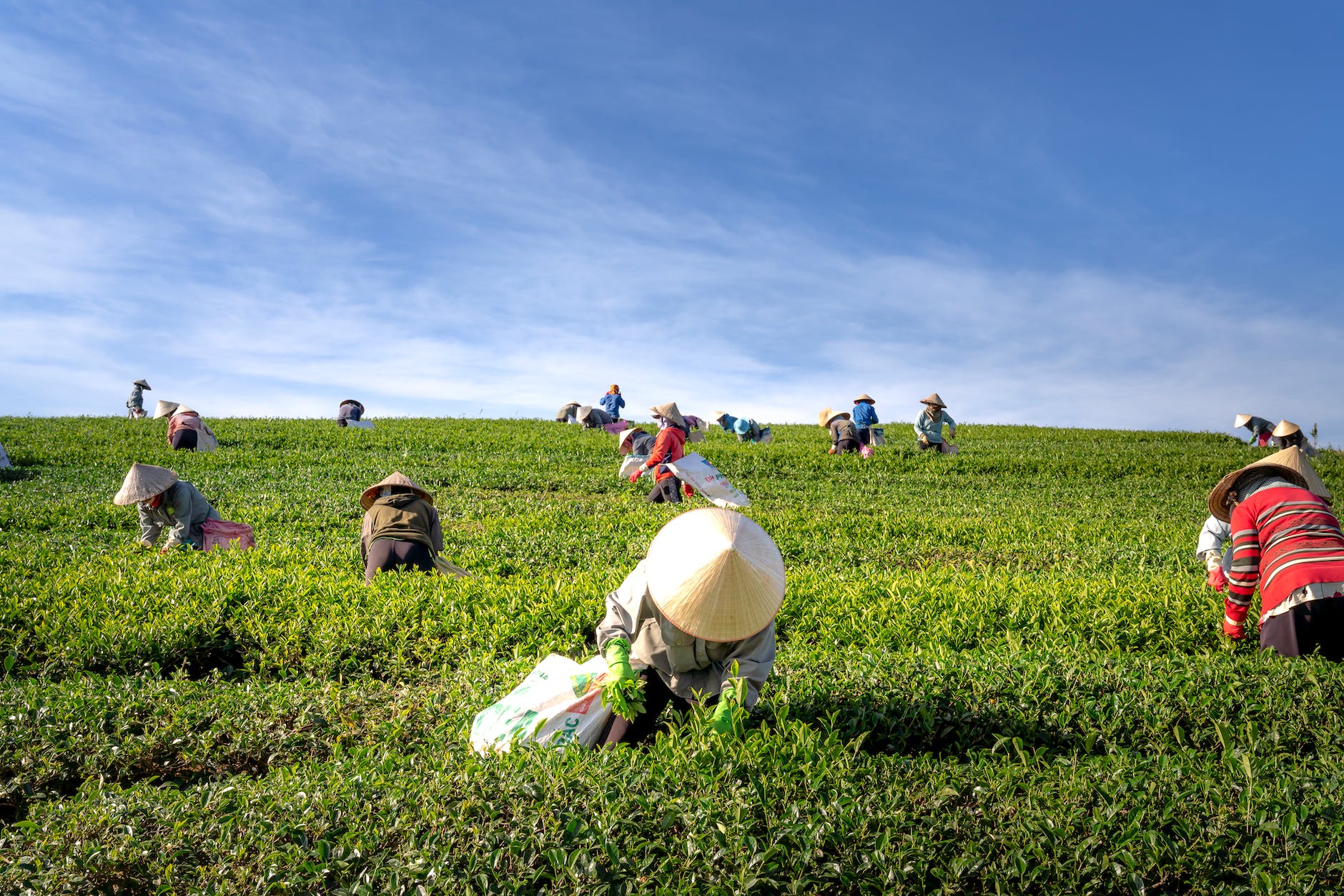
Today, small farms produce about a third of the world’s food, but large farms are prevalent.[2] The largest one percent of farms in the world are greater than 50 hectares and operate more than 70 percent of the world’s farmland.[2] Nearly 40 percent of agricultural land is found on farms larger than 1,000 hectares.[2] However, five of every six farms in the world consist of less than two hectares and take up only around 12 percent of all agricultural land
WHEAT
Wheat is the main cereal crop in India. The total area under the crop is about 29.8 million hectares in the country. The production of wheat in the country has increased significantly from 75.81 million MT in 2006-07 to an all time record high of 94.88 million MT in 2011-12. The productivity of wheat which was 2602 kg/hectare in 2004-05 has increased to 3140 kg/hectare in 2011-12. The major increase in the productivity of wheat has been observed in the states of Haryana, Punjab and Uttar Pradesh. Higher area coverage is reported from MP in recent years.
Indian wheat is largely a soft/medium hard, medium protein, white bread wheat, somewhat similar to U.S. hard white wheat. Wheat grown in central and western India is typically hard, with high protein and high gluten content. India also produces around 1.0-1.2 million tons of durum wheat, mostly in the state of Madhya Pradesh. Most Indian durum is not marketed separately due to segregation problems in the market yards. However, some quantities are purchased by the private trade at a price premium, mainly for processing of higher value/branded products.
Rice
Sugarcane
 jankari
Leave a comment